


Training & Behavior
Crate Training a Rescue Dog: Tips for Success
Rescuing is a very admirable endeavor; with thousands of dogs around the country desperately needing…
May 17, 20224 min read

A dog’s crate is often a warm, safe haven for our furry best friends in the colder months.
But in the warmer seasons, many crates aren’t great at keeping cool. As such, your dog can overheat in their crate if you don’t keep an attentive watch.
If you see your dog panting or drooling excessively, having a fast heart rate, acting lethargic, or having symptoms of dehydration, your dog’s crate is too warm. You can keep a crate cool by strategically placing the crate, using a fan, adding cooling mats and beds, and using a breathable blanket or reflective shade cloth.
In this article, I will tell you all about how to keep your dog’s crate cool in the summer, with helpful tips and tricks that will ensure your pup can keep enjoying their crate!
Ready? Let’s dive in.
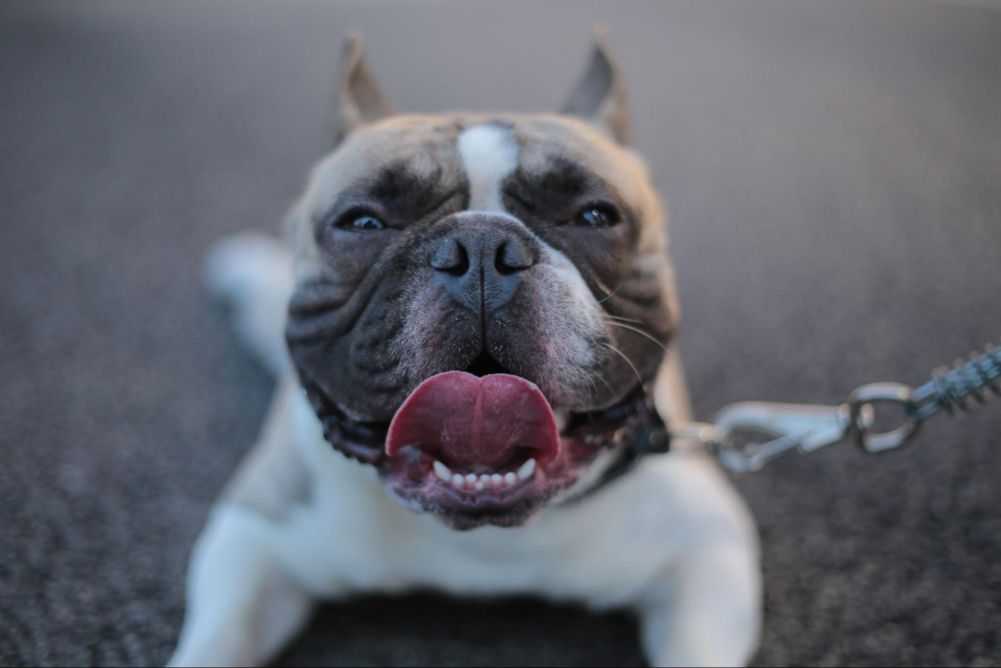
To feel whether the inside of a kennel is too hot or not, you can certainly stick your arm in there and decide. But, what we feel on our skin as humans may not fully indicate whether a crate is too hot or not.
The best way to tell is to be attentive to your dog’s behavior and watch for the signs of a crate being too warm for your pup.
The tell-tale signs of a crate being far too warm an environment include:
You can always put a small temperature monitor in your dog’s crate as well to help determine if it is too hot or not.
Generally speaking, if you’ve committed to having your dog sleep in a crate, then they should sleep in their crate regardless of the circumstances (excluding extreme or life-threatening conditions).
The inconsistency of sometimes making a pup sleep in a crate and sometimes not could be confusing for some dogs, causing behavioral problems if they prefer to not spend the night in a kennel
The crate and kennel are supposed to be their safe havens, comfortable homes, and sleepy dens.
The onus falls on you, the dog parent, to ensure the crate is cool and comfortable for your pup in hot weather!
However, if you are concerned about the temperature in a crate or your ability to ensure the crate remains cold and _don’t _mind a dog sleeping outside of their crate, then that is certainly your prerogative.
But, be aware of the potential implications if a dog becomes too accustomed to not having to be in their crate.
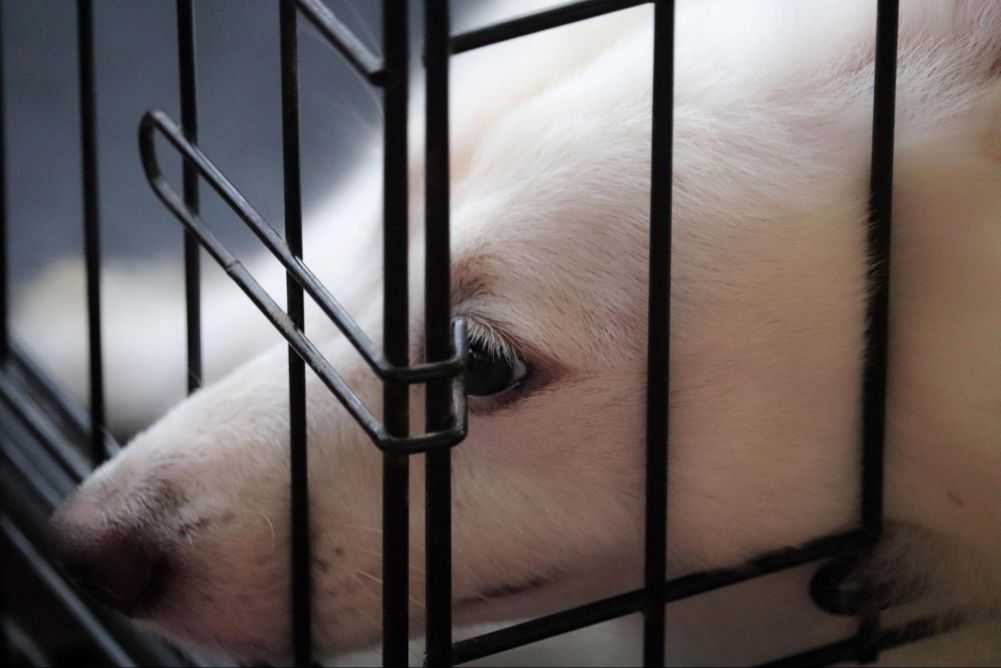
There are a few products and techniques you can implement to ensure that your dog’s crate remains cool and comfortable during the summer heat!
If done correctly, your dog may actually spend more time in the crate of their own free will because of how much cooler the temperature there will be compared to the rest of the environment.
Regardless of the temperature, assuming you got the correct size crate, ensure you let them out after an appropriate amount of time.
To start, depending on the crate you are using, sometimes there is a lot of extra padding stuffed in there. This makes for excellent coziness in the winter but can hold in a lot of heat in the summertime.
Take out any padding that your pup can live without to further promote airflow inside the crate.
This tip does sound obvious at first, but it’s so easy to overlook it!
Be very strategic about placing that dog crate to ensure that Fido doesn’t get the full blast of heat.
If you are setting up the crate indoors, avoid placing it in direct view of a window or in a dingy corner that the AC doesn’t reach. Instead, look for locations in the shade most (if not all) of the day and where the AC airflow can reach it.
A good spot is against a wall in the middle of a lived-in room, such as a family room, living room, kitchen, or bedroom. A big primary room will get excellent air conditioning flow in a home.
The easiest tried-and-true method to keeping a dog cool in a crate is constant chilly air! Adding a fan is the way to go.
If your crate is in a room, you can add a standing fan or oscillating fan to face the crate and blow nice, comfortable chilly air right at the crate.
You can buy a dedicated crate fan if you are in a vehicle, at a dog show, or at other outdoor events. Many great crate fans are available on the market, all of which clip to the crate door.
A popular brand is the Metro Vacuum Crate Fan. Many of these fans are battery-operated, so make sure the battery is nicely charged before use!

If you have a dog that enjoys their crate being dark, make sure to use a breathable blanket as a cover instead of many traditional crate fabrics.
Many crate covers are intended to block the light out for your pup but may not factor in airflow. This can be especially problematic for brachycephalic breeds that have trouble breathing, to begin with. Brachycephalic breeds are those with squishy faces, such as pugs and bulldogs.
By using a breathable blanket, you can get the best of both worlds by having the crate covered to appear more den-like while still allowing air to pass through. A good choice is the
Most dogs don’t like to lay directly on a hard crate bottom and will be begging for some sort of bedding.
Of course, the traditional crate beds may be fluffy and comfortable, but they radiate body heat and cause quite a bit of warmth in more humid and hot climates. Luckily, there is a solution!
Replace the fluffy crate beds with a cooling foam bed or cooling mat.
These cushions are intended to push out coldness rather than warmth. Often made with self-cooling gel, your pet’s weight on the mat activates the cooling sensation in the mat. The Cool Pet Mat is a popular choice.
You’ll frequently find articles suggesting you place damp or wet towels or a frozen water bottle to keep a pup cool in lue of the cooling mats - I don’t suggest this.
Encouraging a damp or wet environment where a dog sleeps can lead to skin infections (such as yeast) and is a breeding ground for bacteria.
If you are outside with your pup, whether at a dog show trial or having a picnic with friends, bringing a portable crate is always an excellent idea. If you do, nab a reflective shade cloth to throw on top as well!
You can find these cloths at most stores, and online such as Amazon.com.
Our pick on Amazon
Be Cool Solutions Reflective Aluminet
Check the price of Be Cool Solutions Reflective Aluminet on Amazon →This cloth helps reflect the sun’s harmful rays away from the crate, keeping the inside nice and comfortable.
Add a good bucket of cold water, and your pup should be doing great!
The ones people read straight after this.
Rescuing is a very admirable endeavor; with thousands of dogs around the country desperately needing…
How we care for and treat our furry best friends has changed tremendously over the years, from new…
It’s such a deeply rooted concept that dogs wear collars that it might be hard to imagine a pup…
2020 (pandemic) certainly changed how we do things in our lives - and one of the biggest changes was…
Crate training is arguably one of the top contentious subjects in dog husbandry and care, primarily…
If you’ve perused my various crate training articles , you’ll see a frequent suggestion appear…


