


Training & Behavior
How to Regain Your Dog’s Trust After Hitting Him
There are few things worse as a dog owner than seeing your pup cower and slink away after being…
March 16, 20214 min read

Accidents will happen, including on your favorite rug. Puppies will nip at you or jump and pounce on visitors. They may eschew chewing toys and instead gnaw on your favorite pair of loafers.
Your new puppy has so many behaviors that can’t be excused away with those “puppy eye” looks. Having a puppy in your home is lovely, but dogs aren’t born knowing how to behave.
Training your puppy requires discipline, but that often brings the question of whether you should take the easy way out and hit him for bad behavior. Based on the most up-to-date scientific evidence, the answer is clear:
You should never hit your dog. Hitting your dog does more harm than good, especially when done to young puppies. It is psychologically damaging to your dog and does not build respect. You should use positive methods instead, such as exercising your dog and rewarding desired behavior.
Let’s dive deeper into this question of discipline and explore alternatives to hitting your dog.
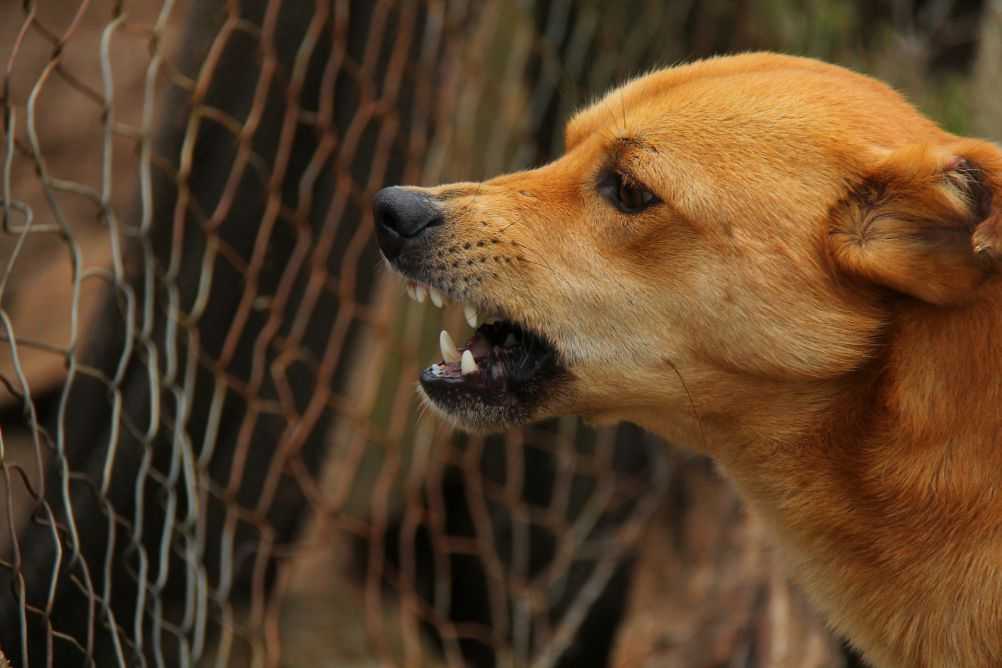
First, let’s get the myth of hitting your puppy with a newspaper out of the way.
Hitting your dog with a newspaper, spanking, or smacking him is cruel and ineffective as a discipline method for your puppy or a dog of any age.
Most of the time, your dog will not connect the pain experienced to its behavior.
Instead, your puppy will be confused, in pain, and might even learn not to trust you. When building a relationship with your puppy, those are three things you don’t want.
During your dog’s formative years, hitting can influence his worldview for the rest of his life, either making him avoid people or become more aggressive.
The American Kennel Club holds that dogs should never be physically punished. Hitting, spanking, or smacking can damage efforts to bond with your dog and can make a puppy aggressive and distrustful.
Dogs may stop a behavior because they try to avoid physical punishment. Still, hitting, spanking, or smacking your dog does not build respect.
Dogs, as pack animals, gain leadership through control of resources such as food, not through violence toward each other. Hence, food rewards can be very effective in training your puppy.
Better – and more humane – training ideas will result in a well-behaved and well-adjusted puppy. Rewards and responding to a puppy’s physical needs will go a long way toward helping your pet learn good behavior habits. Here are a few of them.
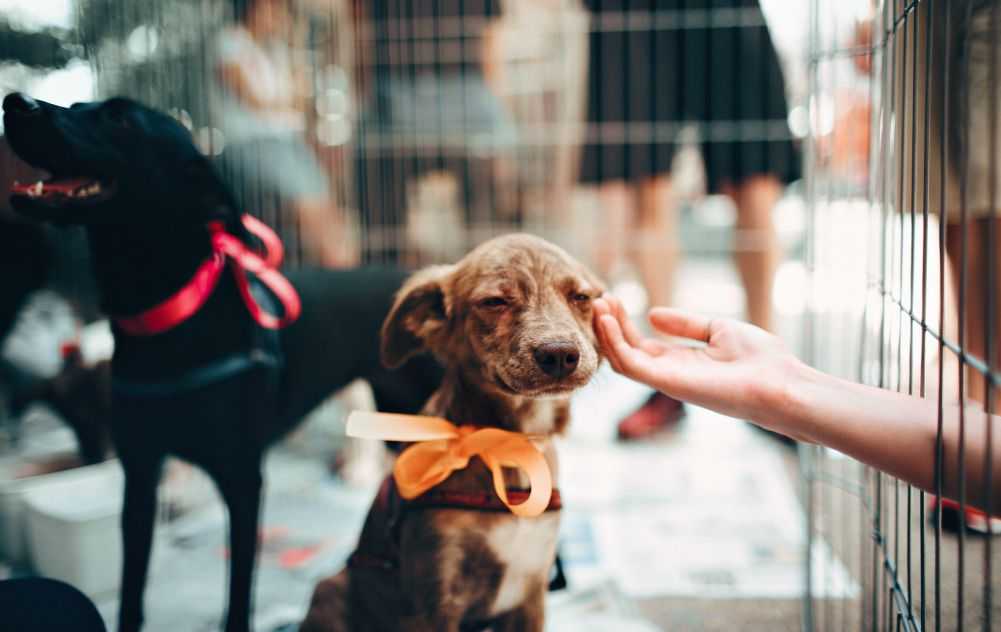
Your puppy needs to be trained, so how does your dog get the message that biting and pouncing on company isn’t allowed? How do you housebreak your puppy without hitting, spanking, or smacking? Here are a few tips for dog discipline done right.
If your puppy wants to bite, offer her an alternative such as a chew toy. Chewing is part of being a dog, so this is a natural impulse. Don’t play rough either, since that might encourage biting.
A puppy that has accidents indoors may not be getting enough walks or time outside to take care of bodily functions. Make sure your puppy gets the opportunities they need to go, and you’ll have fewer accidents to clean up.
Enroll your puppy in obedience training, and you both will learn new behaviors together. Through obedience lessons, you’ll learn how to train your dog without hitting him and causing him long-term physiological damage.
Look for an AKC STAR Puppy program (or one similar), which teaches socialization and training by providing activity and promoting responsibility and responsible dog ownership.
It may seem unreasonable, but you may be rewarding your puppy with attention when you hit him after an undesirable behavior, albeit negative.
The American Kennel Club advises that young dogs may seek attention or a reaction through bad behavior. The solution is to give your puppy some crate time if he bites, for example.
Puppies tend to misbehave when overstimulated. Giving your pet time in the crate for peace and quiet when needed will result in better behavior, including less barking and nipping. A nap can work wonders for an overtired, cranky puppy!
Make sure your puppy doesn’t equate the crate with punishment, though. Keep your voice calm, so your dog knows it is getting quiet space for rest and not being punished.
Another reason puppies can nip, bark and jump is a lack of exercise and interactive play. Puppies have plenty of energy to burn, and they need walks as well as space to run.
A well-exercised puppy is happier, healthier, and better behaved. Taking daily walks with your puppy can strengthen your friendship and bonding with your pet and might even help you both shed a few pounds!
Try to catch your puppy doing right instead of wrong. Rewarding your pet for good behavior is far more effective in training than punishment.
Rewarding a puppy for being calm with a treat or a scratch behind the ears will result in more controlled behavior.
If you want to develop a relationship of trust with your puppy, never use physical violence.
When you use physical violence against a young dog, you may be reinforcing aggression or making the dog fearful of you. Not only is hitting your dog cruel, but it is also not effective as a training method.
Physical punishment of your new puppy won’t result in the respect and friendship you want to grow between you.
Instead, enroll in obedience classes that you can take with your dog. You’ll get to meet other dog owners and their pets, and you’ll learn practical and effective ways to teach your puppy.
Also, give these alternatives to hitting your dog a try. You’ll find that they’re much more pleasant for you and your puppy and will result in a better-behaved dog now and in years to come.
The ones people read straight after this.
There are few things worse as a dog owner than seeing your pup cower and slink away after being…
Imagine this: You've just brought home a brand-new puppy, and you're over the moon with excitement…
Imagine this: You're cooking dinner, and suddenly you turn around to see your dog rummaging through…
As a dog owner, you may have been fascinated by the idea of your furry friend being able to…
Have you ever come home to find your dog lounging on your couch, looking all too comfortable and…
Imagine this: you're trying to have a nice dinner with your family, but your furry friend just won't…


