


Training & Behavior
Should You Take Your Puppy out in the Middle of the Night?
You’ve got a new puppy and have brought your new family member home. You’ve played with them, fed…
December 23, 20215 min read

So much goes into raising a puppy, from buckets of toys to leashes and bowls!
And just like with children, you’re likely bombarded with a slew of advice and a multitude of products.
Probably one of the most commonly advised puppy-rearing suggestions revolves around playpens and crates, often arguing using one over the other.
So, what’s better for your puppy?
Playpens are helpful when your puppy needs room to roam or if you are a very busy individual, but can make potty training more difficult. On the other hand, crates are great for confining your puppy and designating a sleeping area, but puppies can’t stay in them for long periods.
In this article, I’ll give you my honest thoughts on playpens and crates - and why neither is better nor worse, they’re just different!
Ready? Let’s dive in.
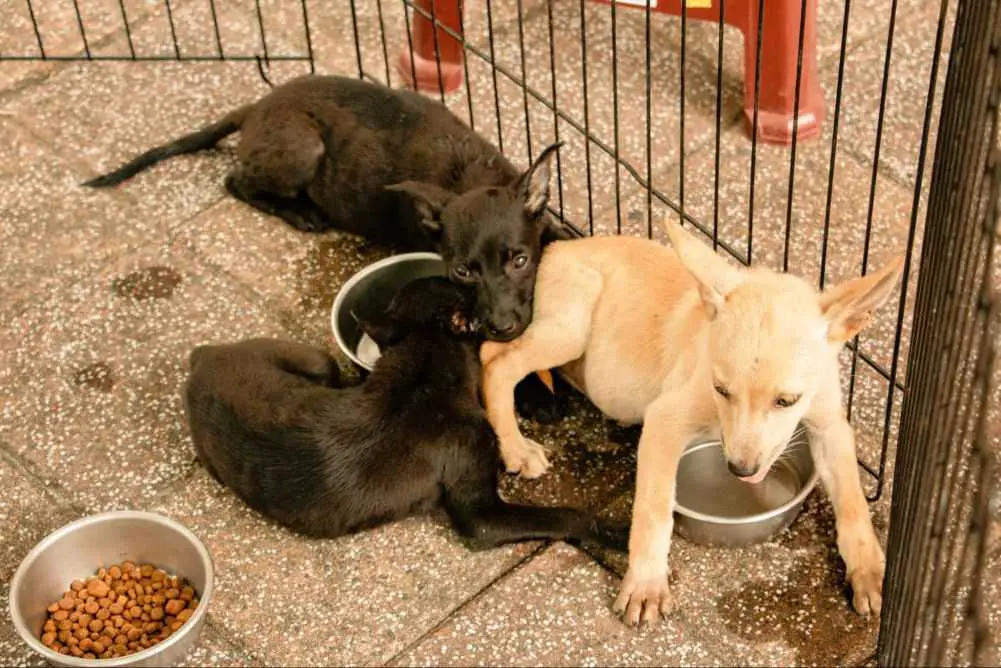
Playpens are enclosed areas (whether using a designated puppy playpen or even toddler gates!) where your puppy can frolic around in their caged area.
Playpens allow your puppy to explore their determined area and get a bit of exercise when you cannot watch them closely. Playpens often house food and water, as well as your puppy’s toys!
Many puppy owners like to use the Amazon Basics Foldable Metal Dog and Pet Exercise Playpen as their fencing for the playpen.
Our pick on Amazon
Amazon Basics Foldable Metal Playpen
Check the price of Amazon Basics Foldable Metal Playpen on Amazon →Like any tool, there are pros and cons to using a playpen to raise a puppy.
On the contrary, a crate or kennel is a small, confined space for your puppy. In a correctly sized crate, your puppy can stand up and do a full revolution but will not be able to walk around (check out my guide on dog crate sizes here, and my comparison of the best dog crates if you’re still choosing one).
Crate training is considered pretty fundamental in modern puppy raising, primarily because the crate becomes their safe space to sleep and relax!
Training your dog to be comfortable in a crate is also great for emergencies where your dog may need to be crated for their own safety, such as an evacuation.
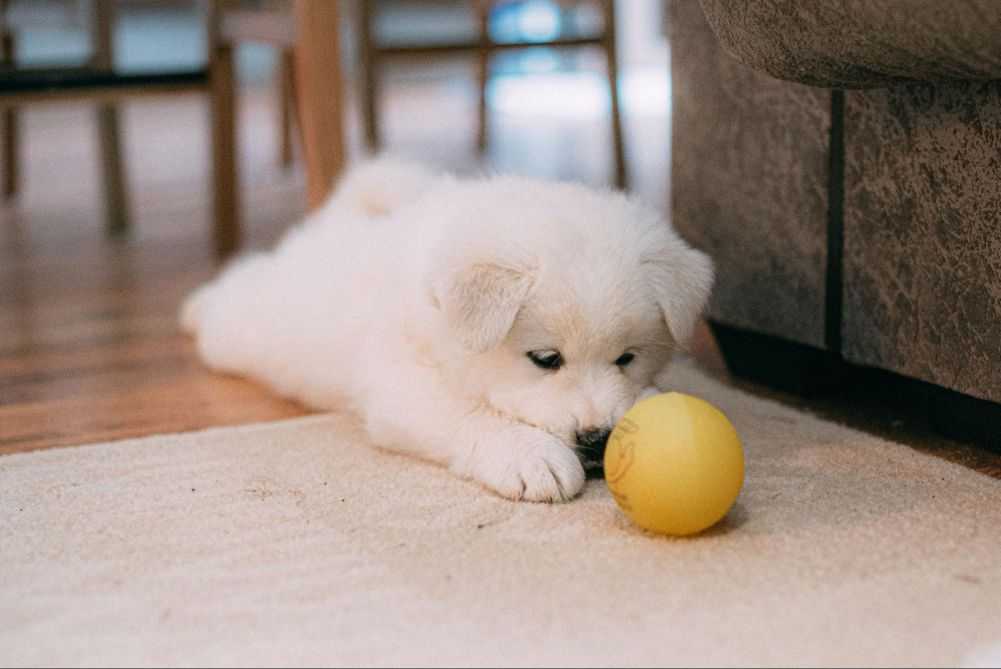
As the wheels in your mind start turning, you might be asking yourself if there is a way to combine the benefits of both a playpen and a crate in one go - and the answer is yes!
Because crates and playpens are great for their individual uses, you can use both simultaneously to raise your puppy.
One option is to put a crate inside of your puppy’s playpen. This helps your puppy become much more comfortable with the crate and begin choosing the crate as a sleeping area (which is something you want!).
If you live in an apartment and have a smaller dog, you can actually use the crate-inside-of-playpen approach to litter box or potty pad train your dog.
Place your dog’s relief area inside of their playpen in a further corner from the crate. With some patience and positive reinforcement, your dog will learn to use the relief area. Then, you’ll start seeing your puppy leave the crate to relieve themselves and then return to the crate to continue napping!
Another approach is to alternate use of the playpen and crate. You can use the playpen during the day when your puppy is more active and needs some playing time, and use the crate at night to indicate that it’s sleepy time!
This helps teach your puppy the different uses of each area and that the nighttime routine includes sleeping in their own area. Or, if you work an opposite shift or you’re a night owl, you can use the crate during the daytime and the playpen at night!

My recommendation? Raising a puppy is profoundly personal and dependent upon various factors, such as what your routine is and your home life situation consists of. As such, I cannot give you an absolute answer here!
That being said, my approach leans towards using both a playpen and a crate. I approach training from the perspective of puppies not being allowed to roam a home unsupervised until they reach an age where you can trust them.
As a person with (likely) a job, a slew of responsibilities, and a day that cannot revolve entirely around your furry best friend, what are you to do if the puppy needs to be let out for exercise, but you cannot watch them like a hawk?
The playpen works wonders in this situation! You can plop your puppy into a safe space to frolic while you work on whatever it is you are working on. The crate will do wonders for breaks, rest periods, and nighttime and become your puppy’s happy spot.
As such, my suggestion is to utilize both methods for when each one is deemed fit.
The ones people read straight after this.
You’ve got a new puppy and have brought your new family member home. You’ve played with them, fed…
We can’t always be there to help our dogs relieve themselves. We may be really busy at work or just…
Bringing home a puppy is such an exciting time in any pet owner’s life - you get to raise a brand…
With each adorable puppy antic comes some strange ones - like digging while inside of their crate…
Whether you’re a brand new puppy owner or adding another furry family member to your existing…
Crate training has a lot of ups and downs that come with it - but it’s well worth it in the end. One…


